CATDLP Partnership Quarterly Meeting Recap – Spring 2026
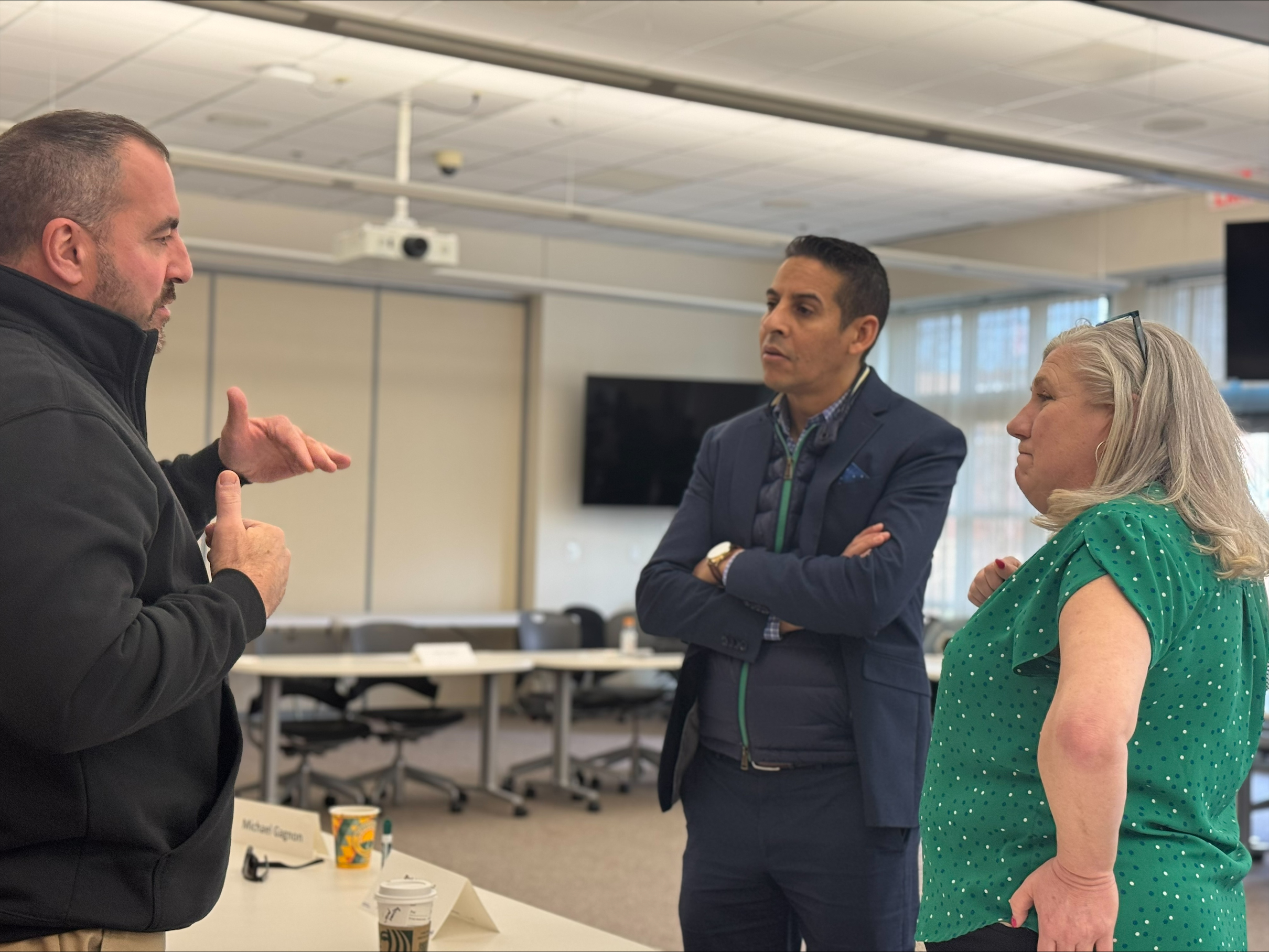
Thank you to everyone who joined our recent Transportation, Distribution, and Logistics (TDL) Sector Partnership quarterly meeting. The discussion was productive, forward-looking, and reinforced the strength of collaboration across industry, education, and workforce partners.
We extend our appreciation to Tunxis Community College for hosting and to the new partners who joined us at the table.
Welcoming New Industry Partners
We were pleased to welcome several new organizations into the TDL partnership, including representatives from CT Transit, O&G Industries, and The Metropolitan District. Their participation strengthens the partnership’s ability to align workforce strategies with real-time industry needs.
Strengthening the TDL Ecosystem
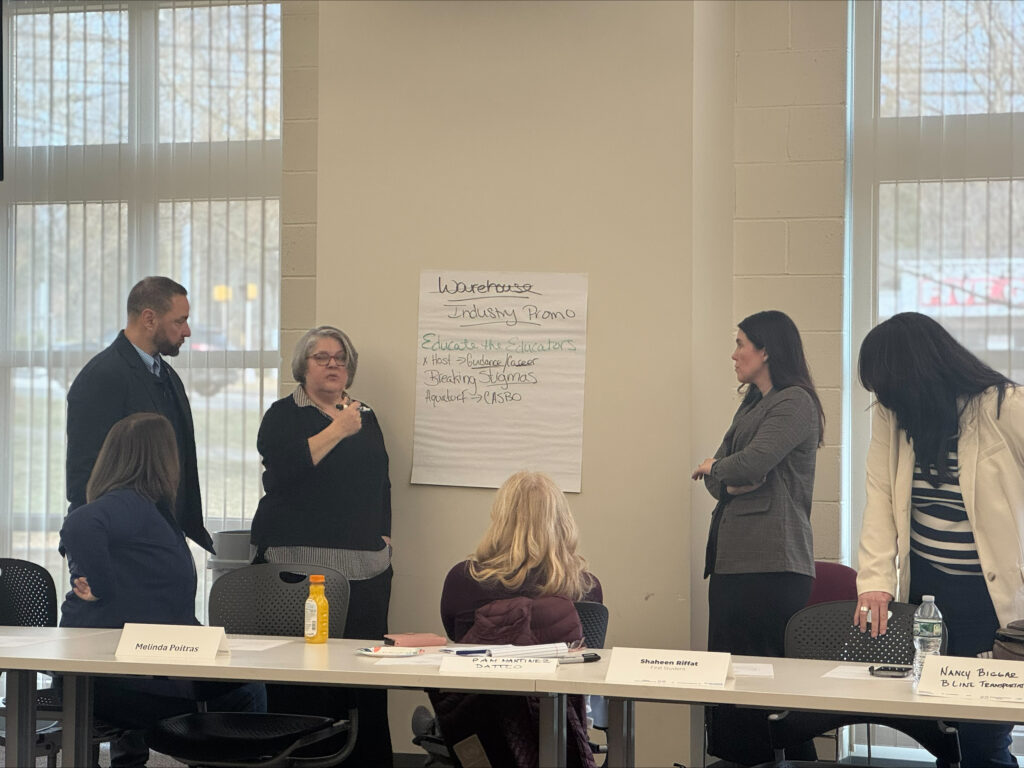
The meeting opened with an overview of the TDL Partnership’s mission and evolution. The partnership continues to focus on three core priorities:
- Industry promotion
- Workforce development
- Policy alignment and advocacy
Key stakeholders at the table included higher education institutions, economic development leaders, the Connecticut Airport Authority, Chambers of Commerce, the Office of Workforce Strategy, and CDL training providers—demonstrating a comprehensive, cross-sector approach.
Labor Market Insights: A Growing Sector
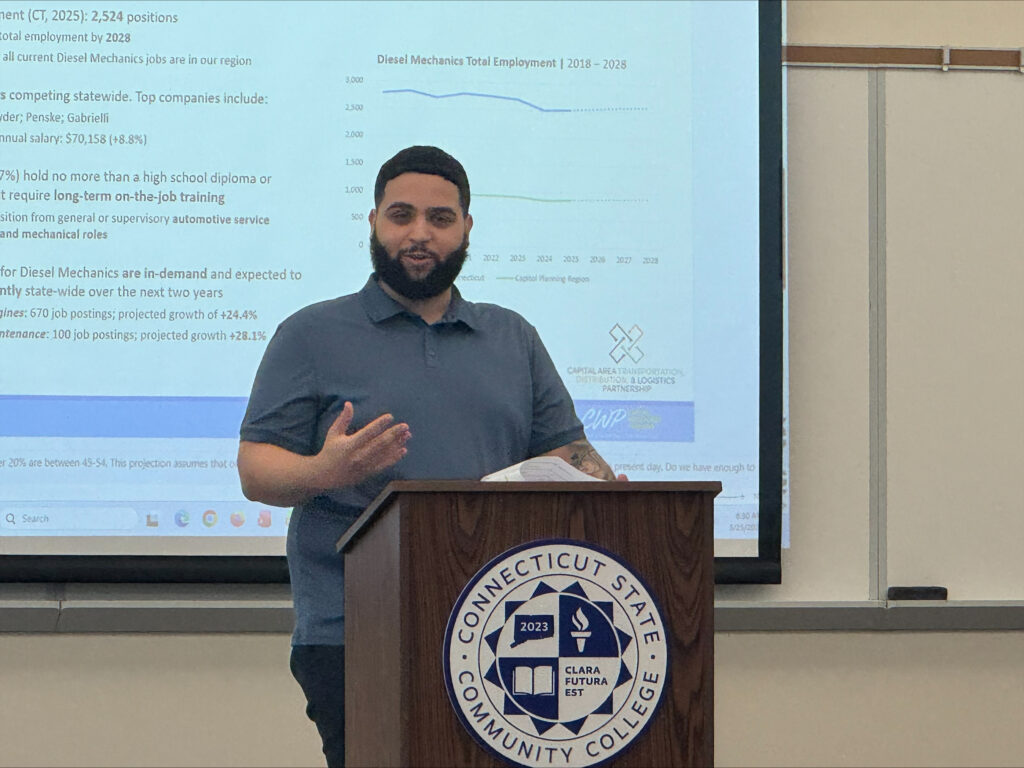
Labor Market Intelligence (LMI) data highlighted the continued strength of the TDL sector across Connecticut. Key insights included:
- Strong career pathways with competitive, stable wages
- One-third of statewide TDL job postings concentrated in the Greater Hartford region
- Increasing demand in high-need roles such as diesel and heavy equipment mechanics
These trends reinforce the urgency and opportunity to build a skilled, future-ready workforce pipeline.
Building the Future Workforce: SYELP
The Summer Youth Employment & Learning Program (SYELP) was presented as a key strategy to introduce young people to TDL careers while supporting employers.
Program Overview:
- Ages 14–24
- 4–6 week paid summer experience (~120 hours)
- Program start date: July 1
Core Components:
- Work readiness training (communication, teamwork, time management)
- Hands-on job experience
- Mentorship and supervision
- Career exploration and reflection
Value for Employers:
- Access to motivated young talent
- No wage cost—program providers manage payroll
- Ongoing support, including weekly check-ins
Value for Youth:
- Real-world experience
- Skill development and confidence building
- Exposure to long-term career pathways
Employers interested in participating are encouraged to complete the internship interest form and attend the upcoming virtual information session.
Action Team Focus: Preparing for Industry Shifts
Electric Vehicles (EVs) & Training Alignment
A key discussion centered on the growing impact of electric vehicles on the workforce. Partners explored whether current training programs adequately prepare workers for EV technologies and identified opportunities to:
- Modernize curriculum
- Address emerging skill gaps
- Align diesel and EV training pathways
Workforce Retention & Post-Training Support
Participants emphasized the need to strengthen retention strategies and provide continued support for individuals after training completion.
Expanding Industry Awareness & Recruitment
To increase visibility and access to TDL careers, the partnership will launch a series of targeted recruitment events at American Job Centers across the state between May and August.
In addition, planning is underway for the annual TDL Expo and Career Fair, with potential dates in late October.
Key Action Steps
The partnership identified several priorities moving forward:
- Conduct site visits to training programs and schools
- Develop micro-credentials and short-term certification pathways
- Expand employer engagement for mentorship, equipment, and job placement
- Strengthen career readiness skills, including resumes and interviewing
- Increase outreach through media, social platforms, and school partnerships
- Introduce career exposure opportunities earlier in the student journey
Addressing Industry Challenges
Despite strong growth, several challenges remain:
- Shortage of skilled diesel mechanics
- Aging workforce with limited new entrants
- Competitive hiring environment impacting retention
- Need for greater awareness of existing training pathways
What’s Next
A follow-up virtual meeting will be scheduled in mid-April to maintain momentum and advance these initiatives.